Beyond the Ride: How Sustainable Infrastructure Is Shaping Modern Attractions
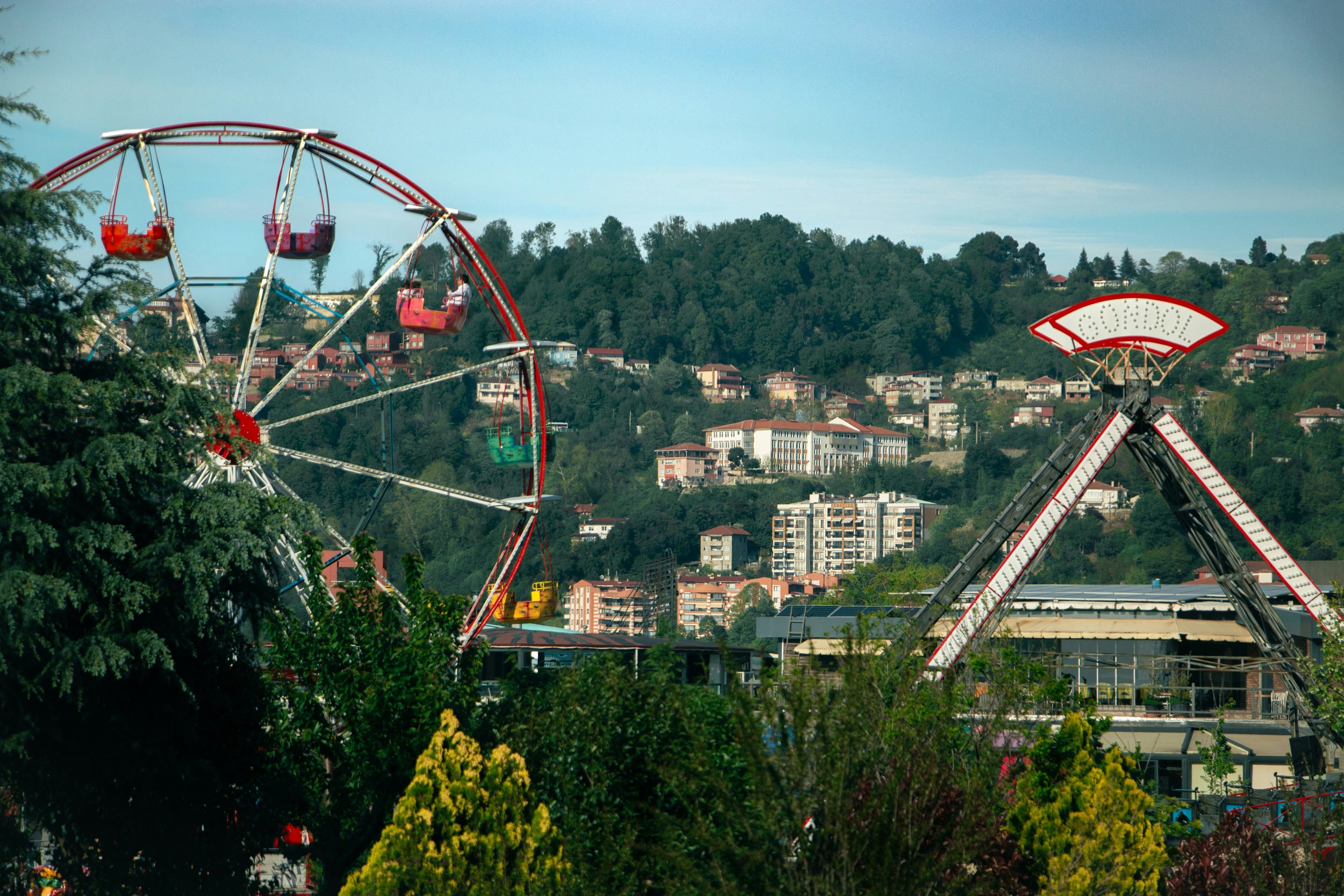
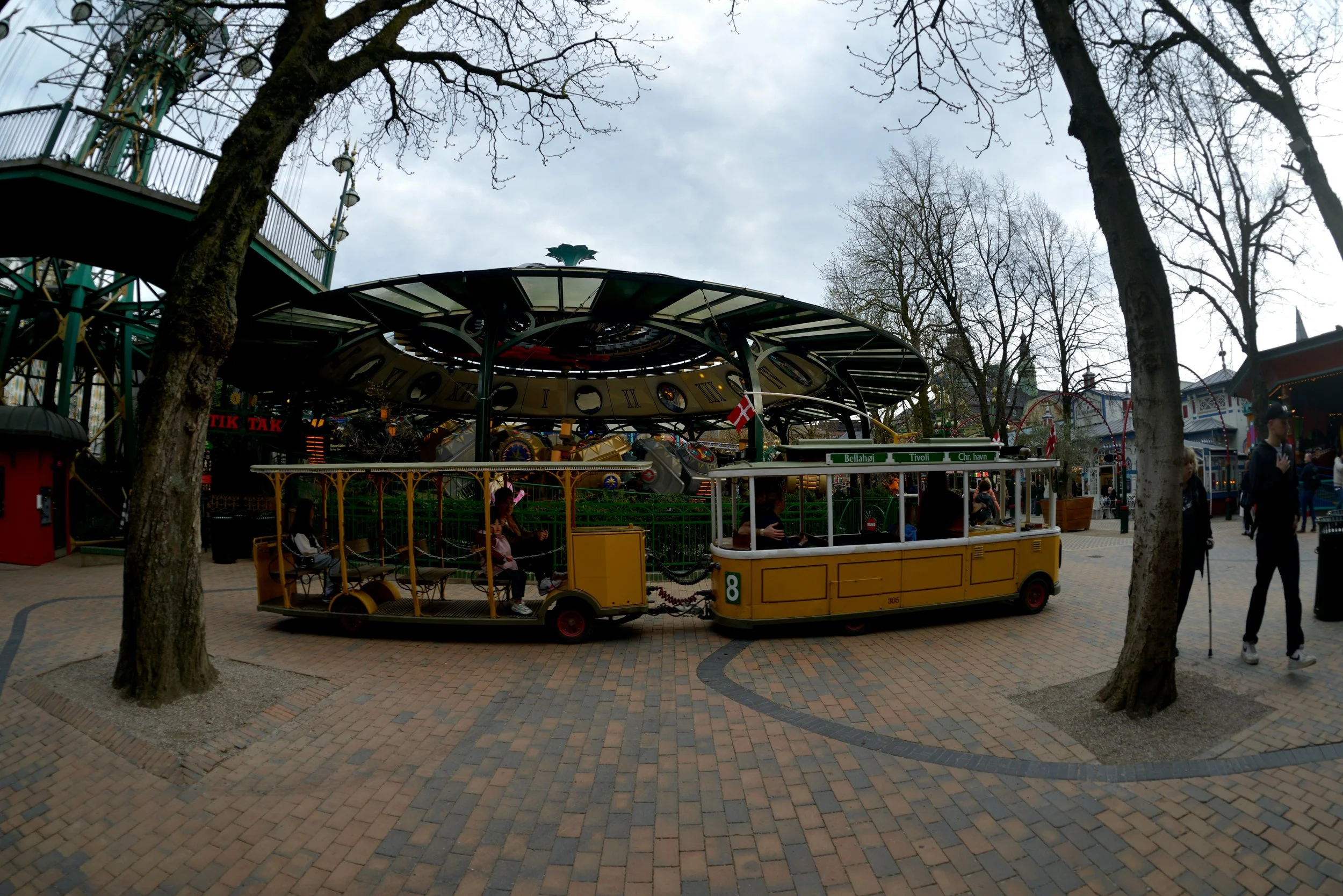
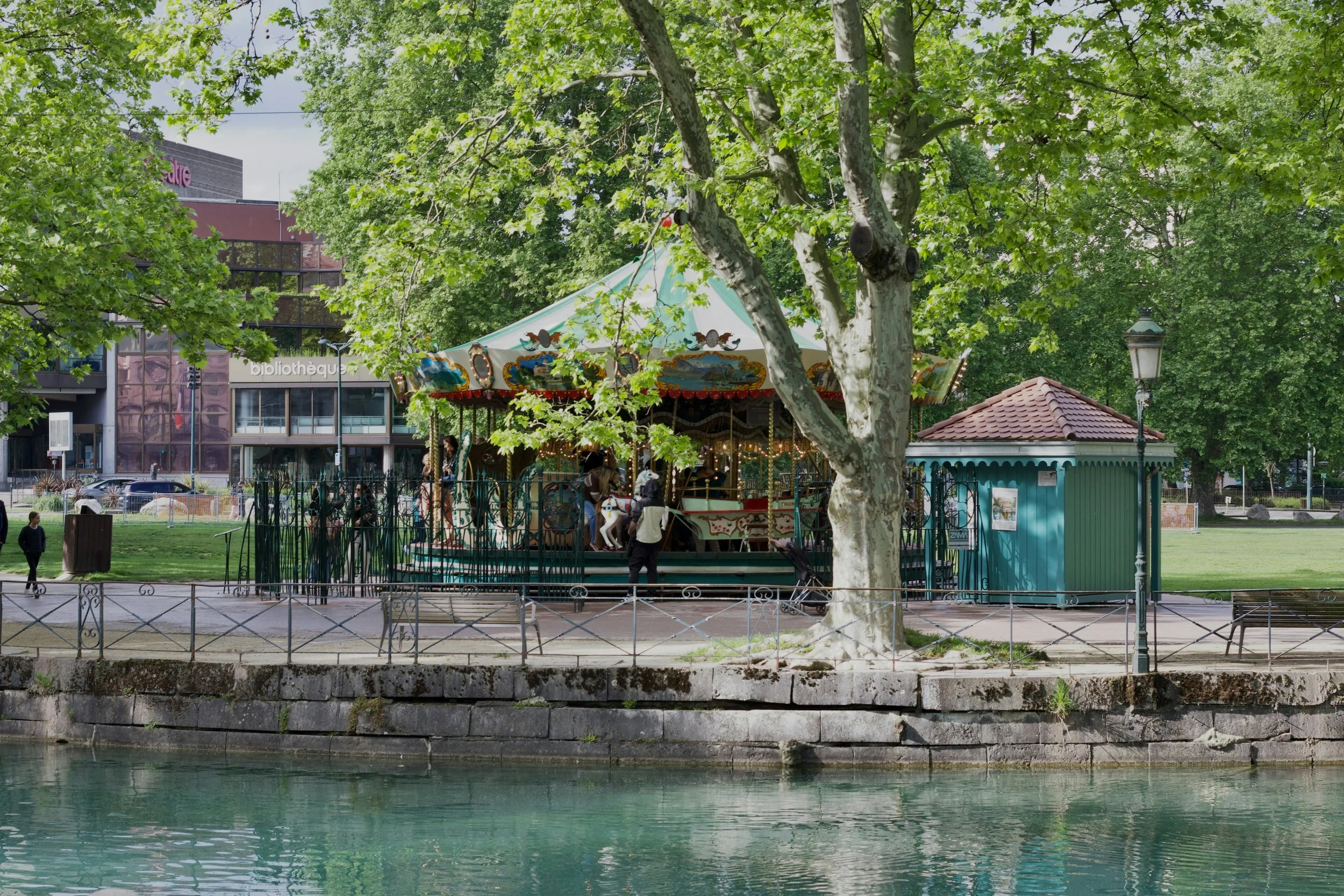
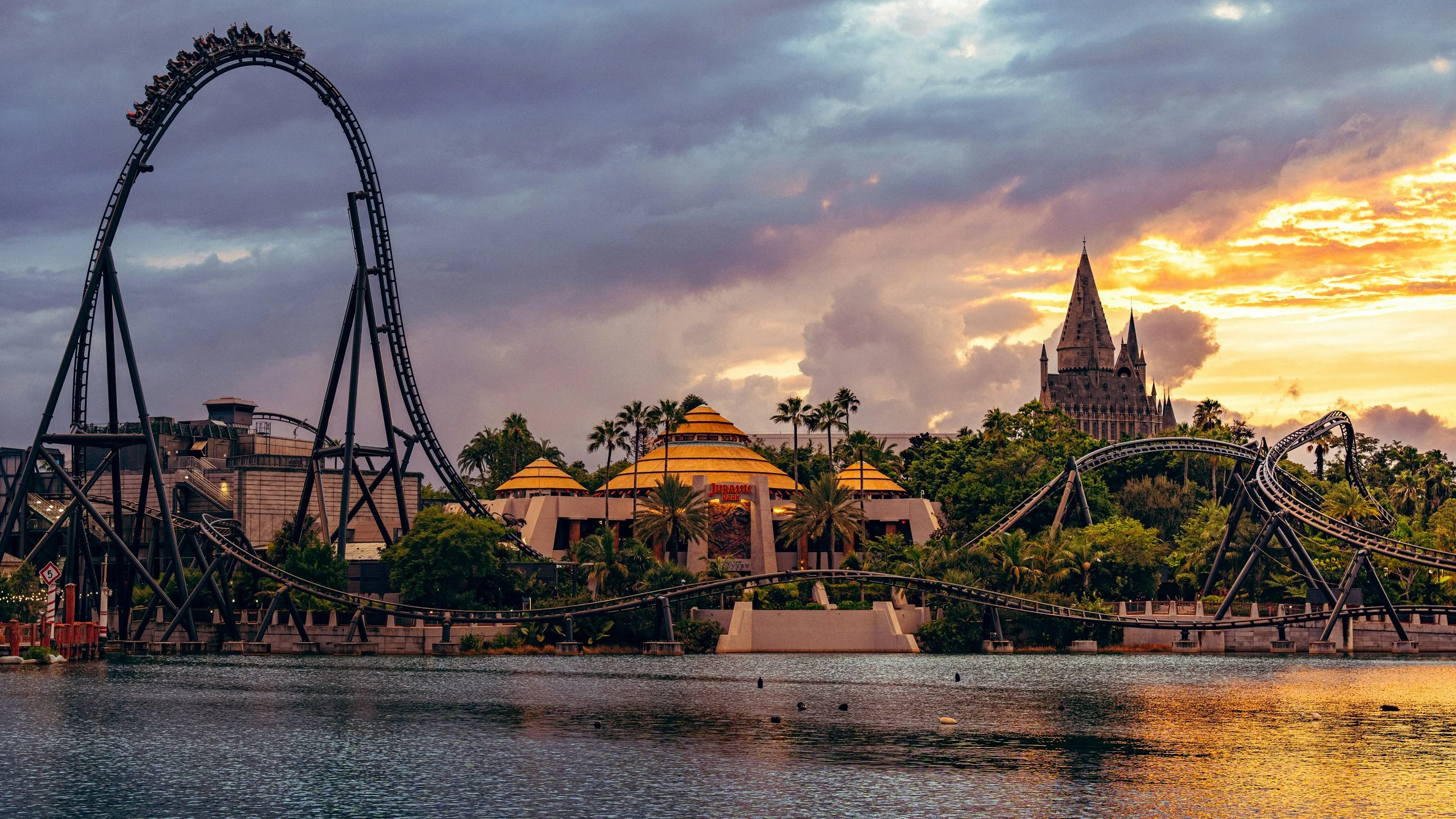
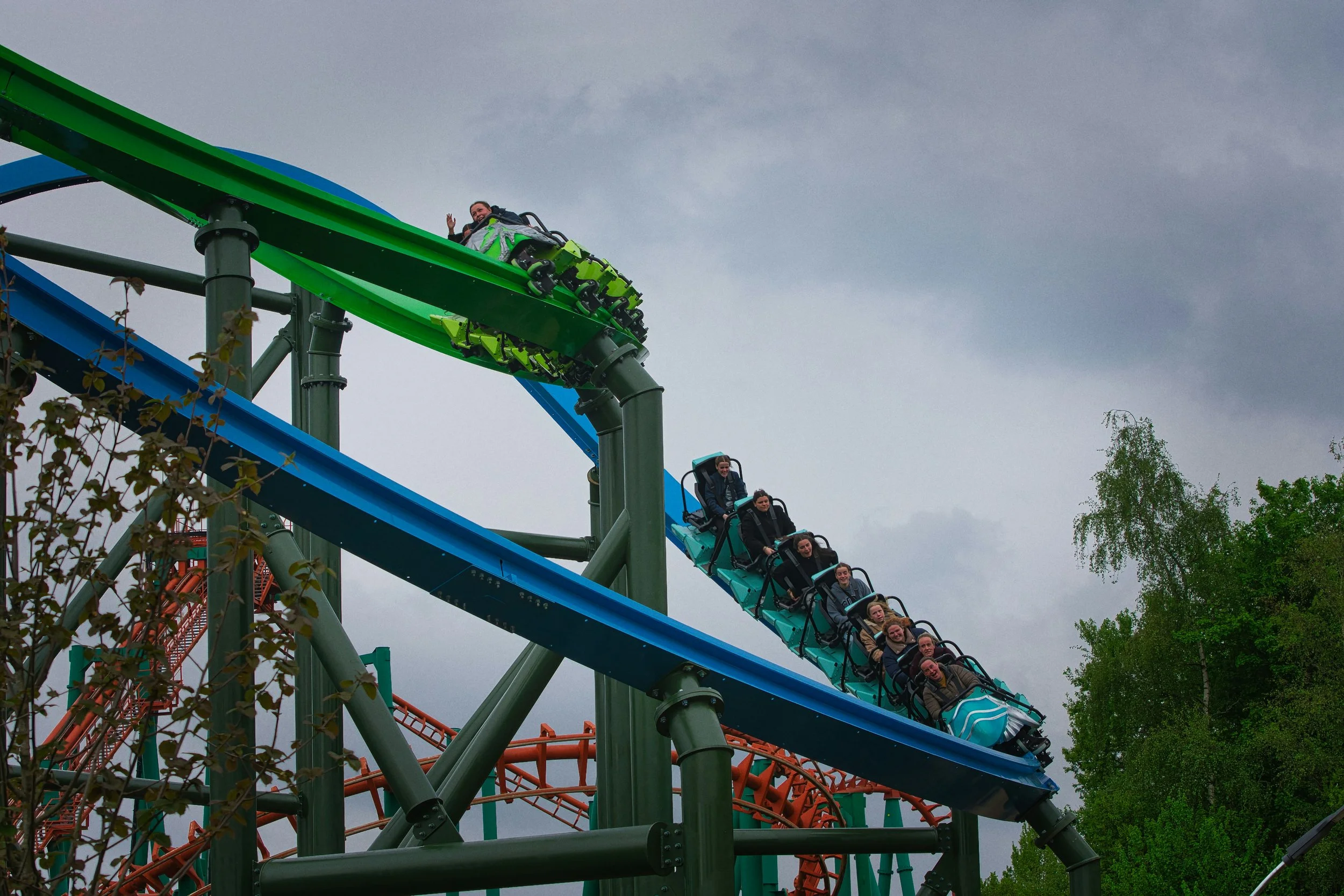
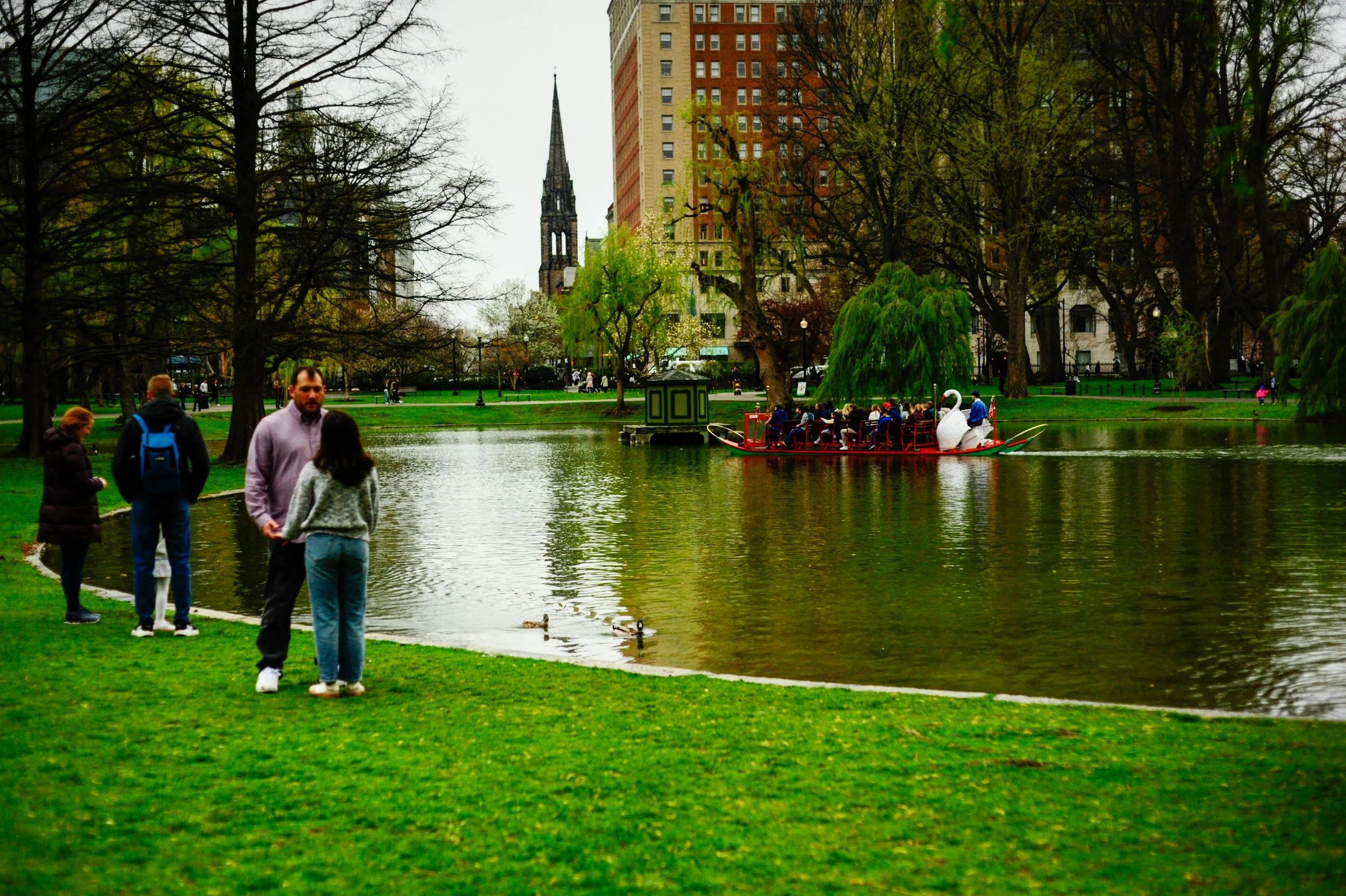
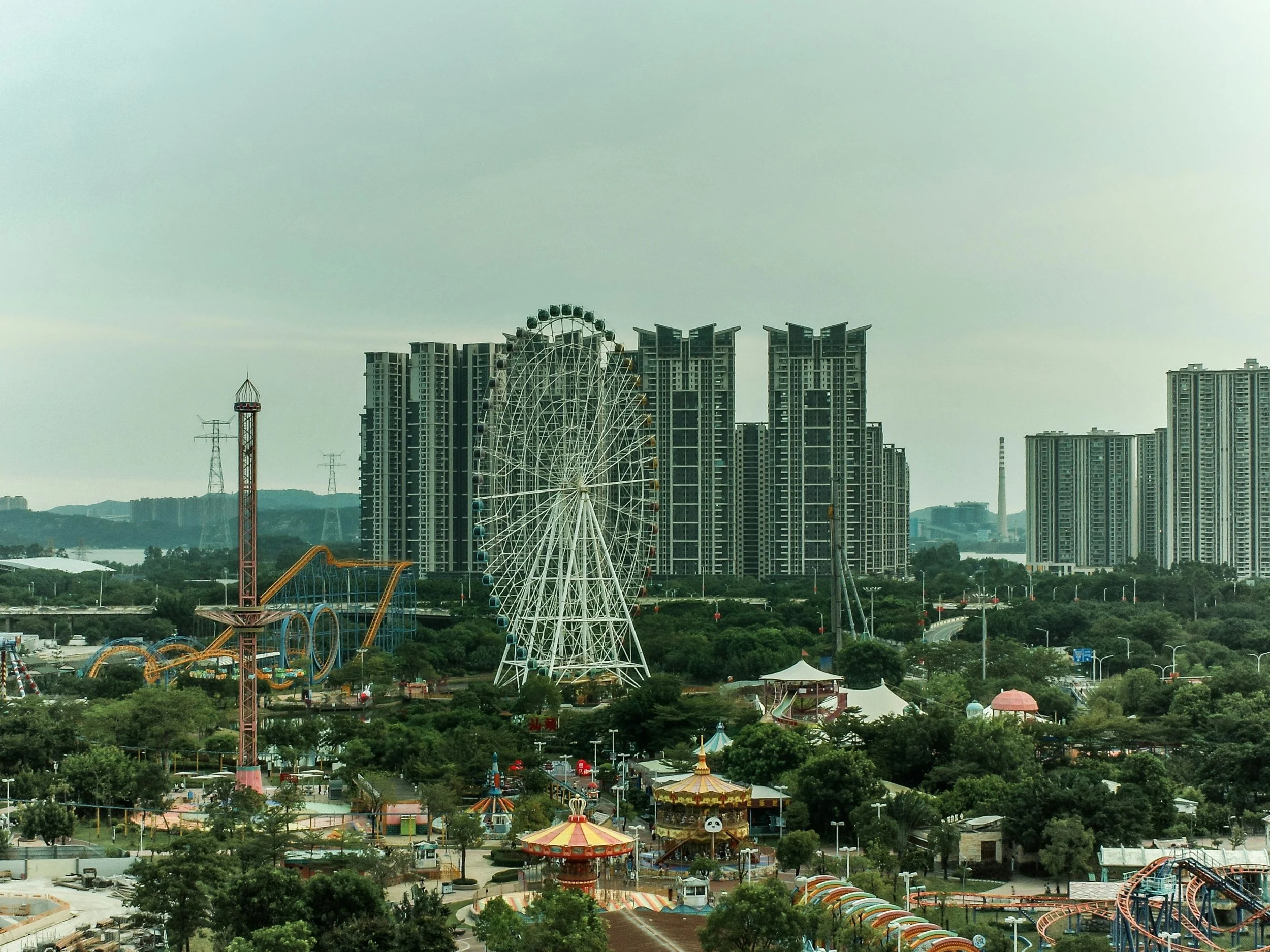
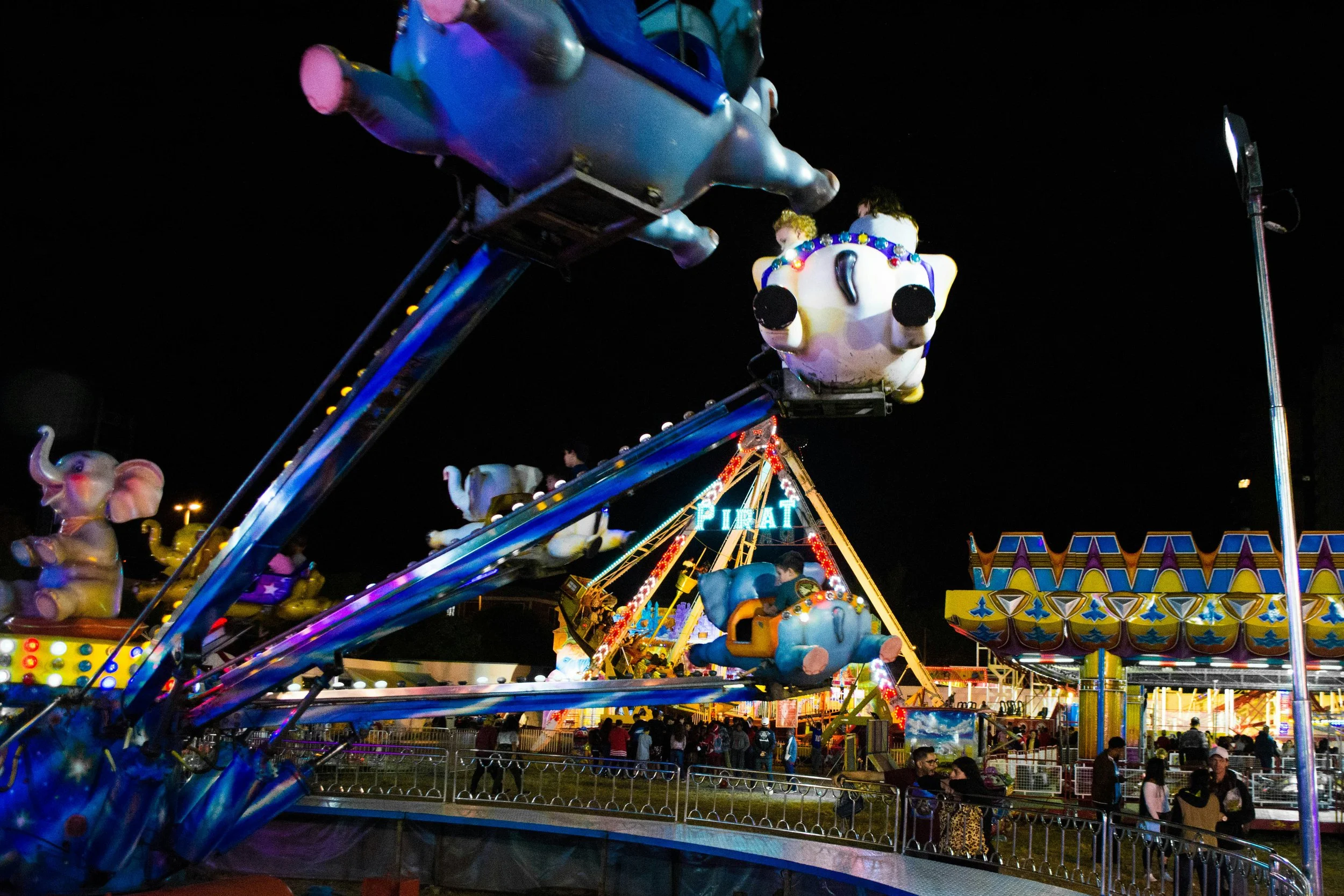
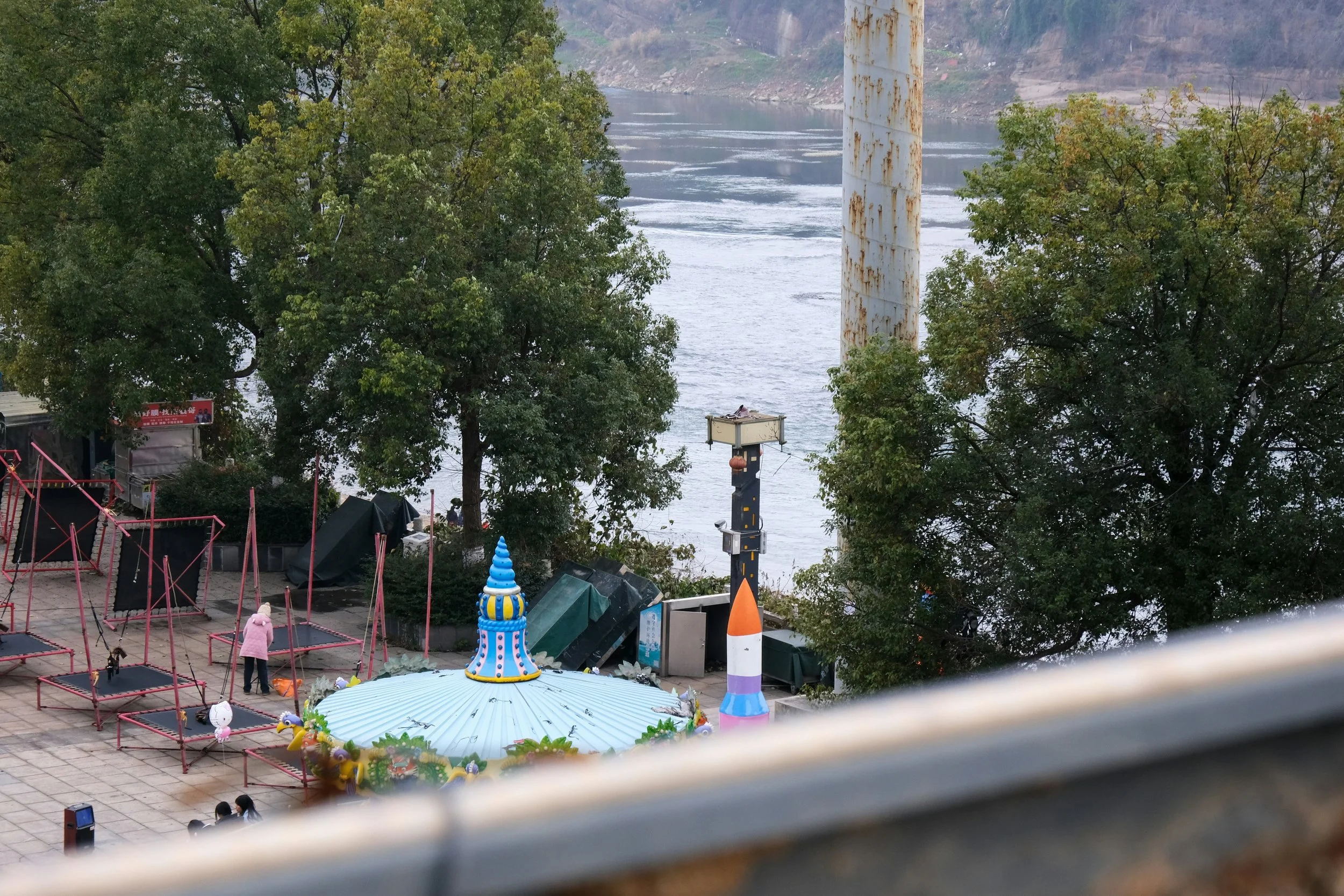
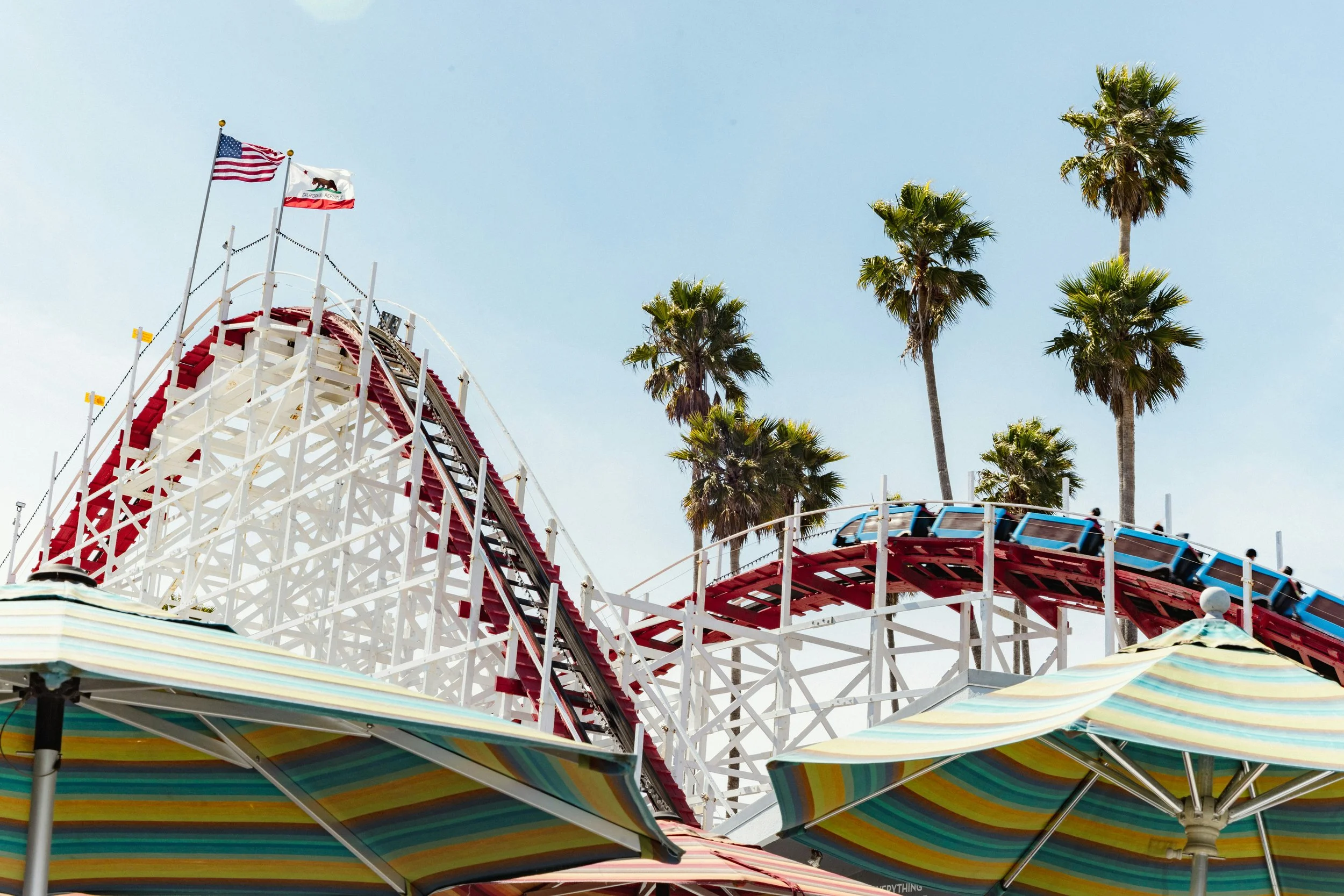
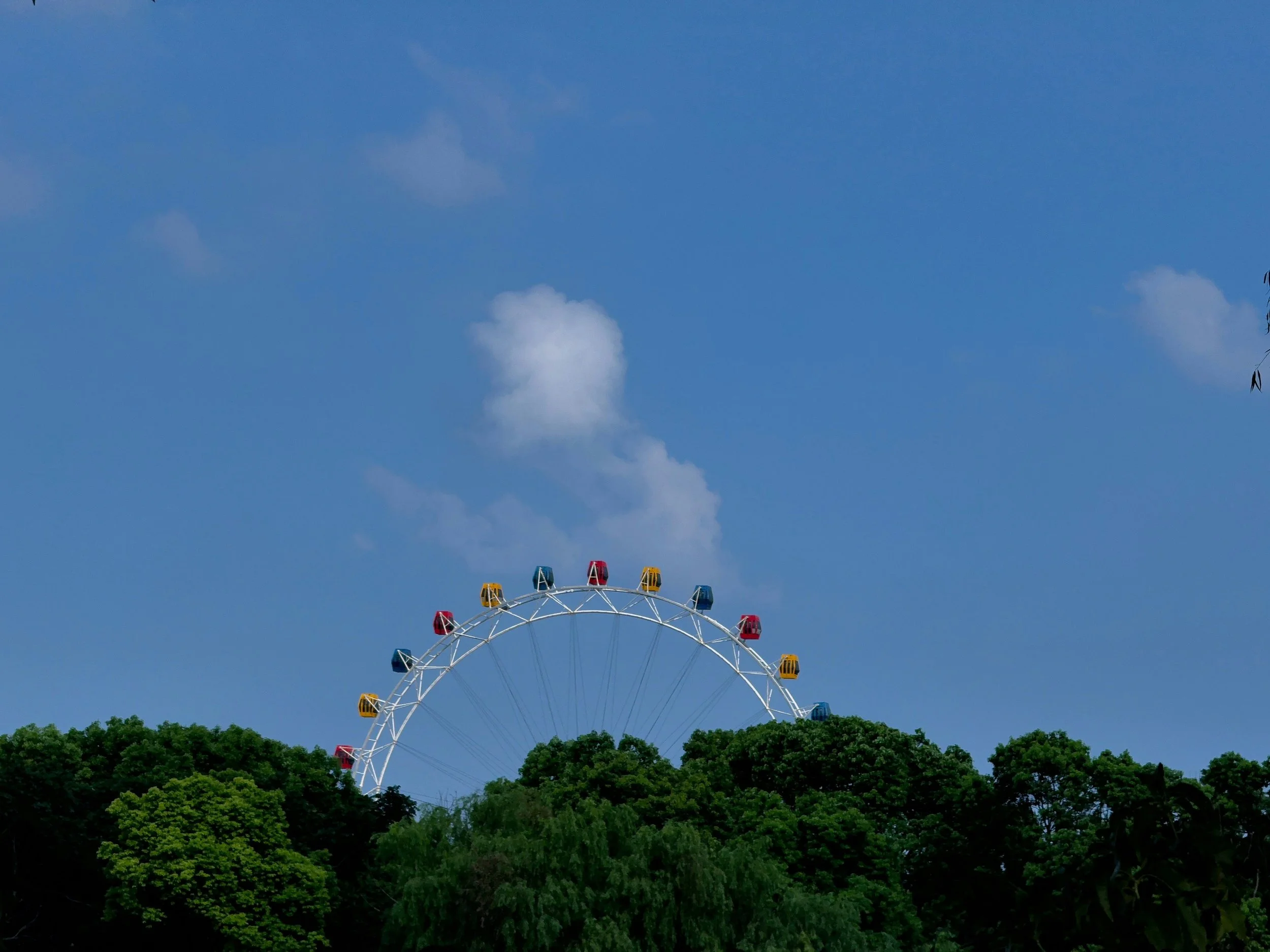
When people think about attractions, they usually focus on the experiences—the rides, exhibits, shows, and entertainment that bring visitors through the gate. These experiences are the visible part of the attraction. They're what guests remember, photograph, and share with others. But behind every memorable guest experience is a complex infrastructure system working quietly in the background.
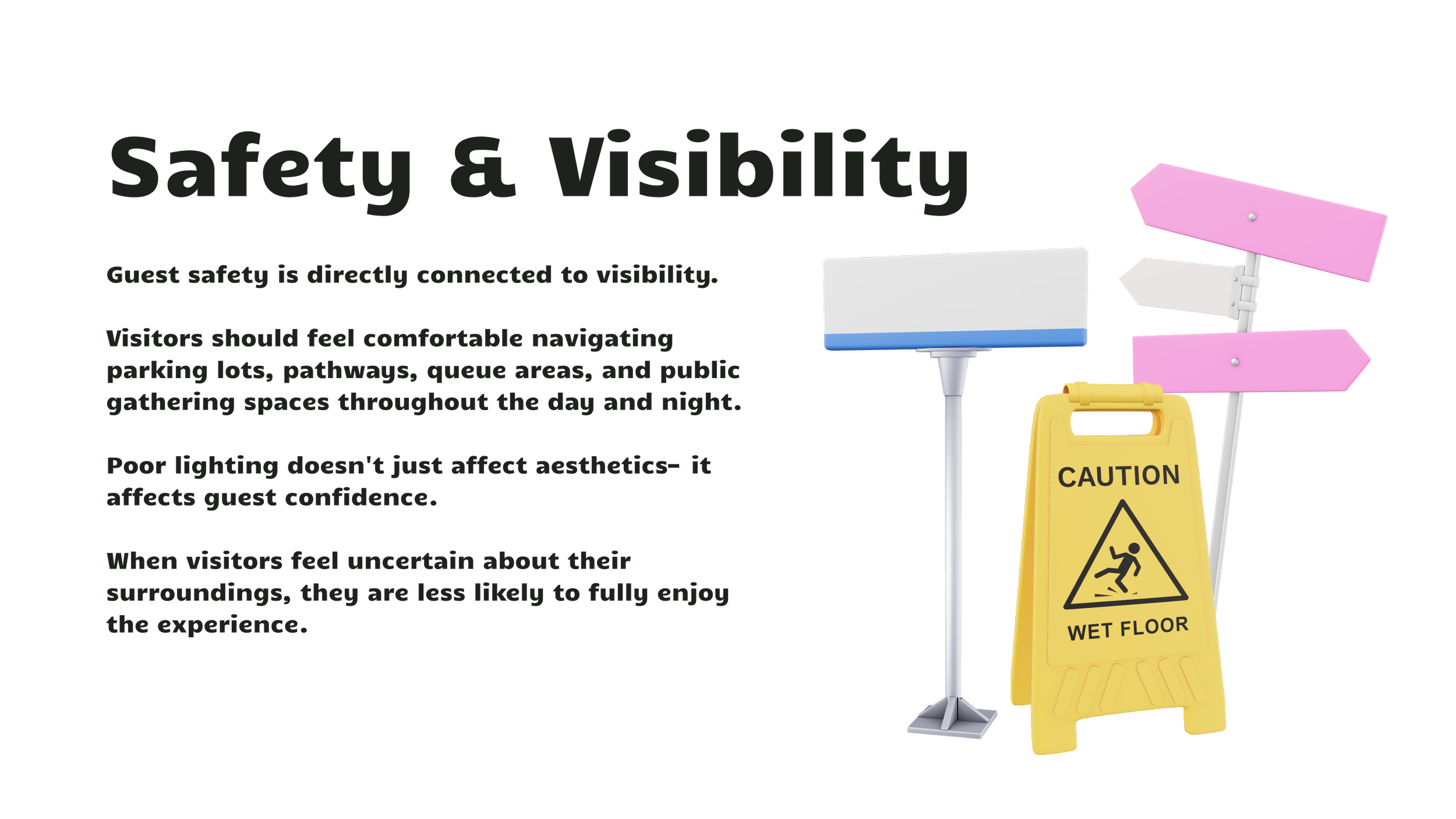
Lighting guides visitors through pathways after sunset. Signage helps guests navigate large properties. Utilities support restaurants, retail spaces, and guest amenities. Safety systems operate continuously to ensure visitors can enjoy the attraction comfortably and confidently. When these systems work properly, most guests never notice them. When they don't, the impact becomes immediately visible.
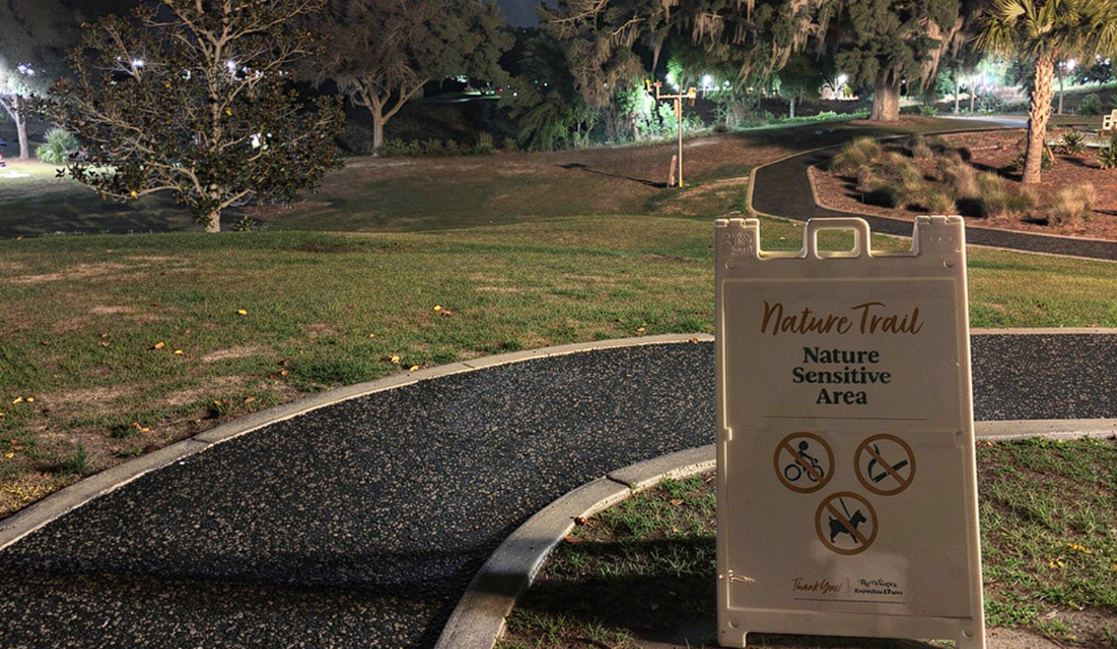
A poorly lit pathway can affect guest comfort.
Confusing wayfinding can create frustration. Power disruptions can impact operations, safety, and visitor satisfaction.
As attractions continue investing in immersive experiences and technological innovation, many operators are recognizing that infrastructure deserves the same level of strategic attention.
The question is no longer simply how to create better attractions.
The question is how to build attractions that are smarter, more efficient, and more sustainable from the ground up.
The Hidden Challenge Behind Every Attraction
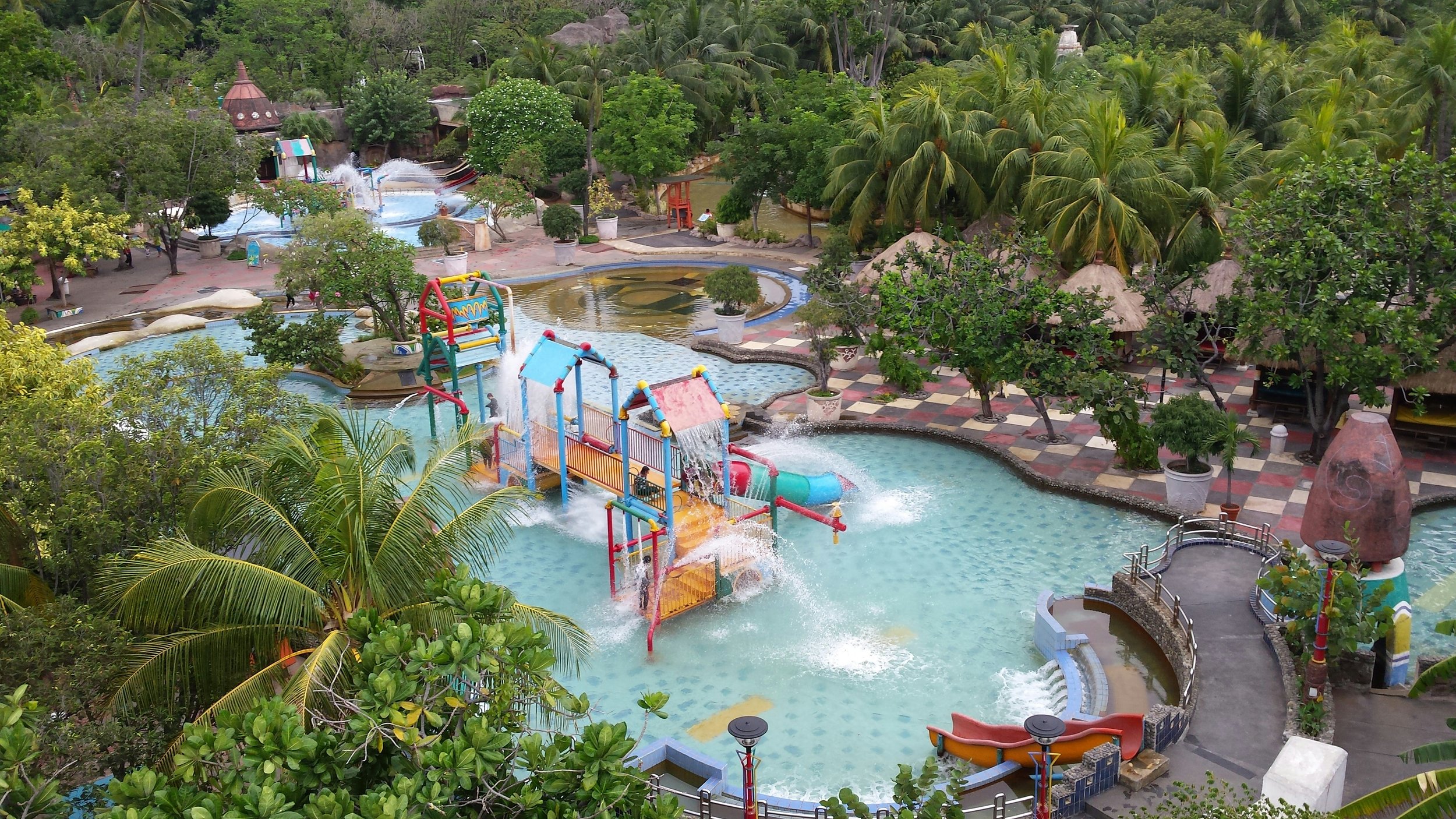
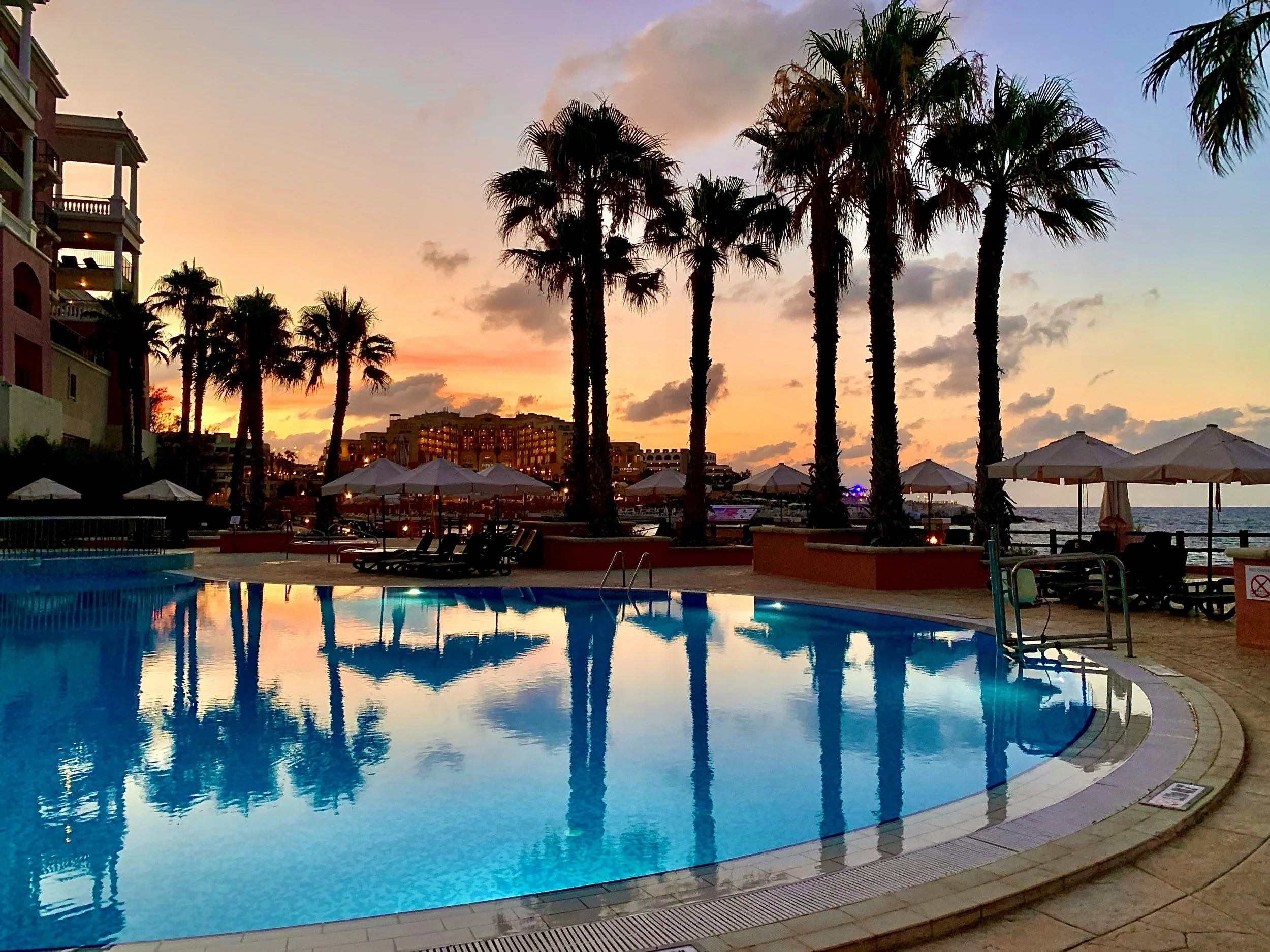
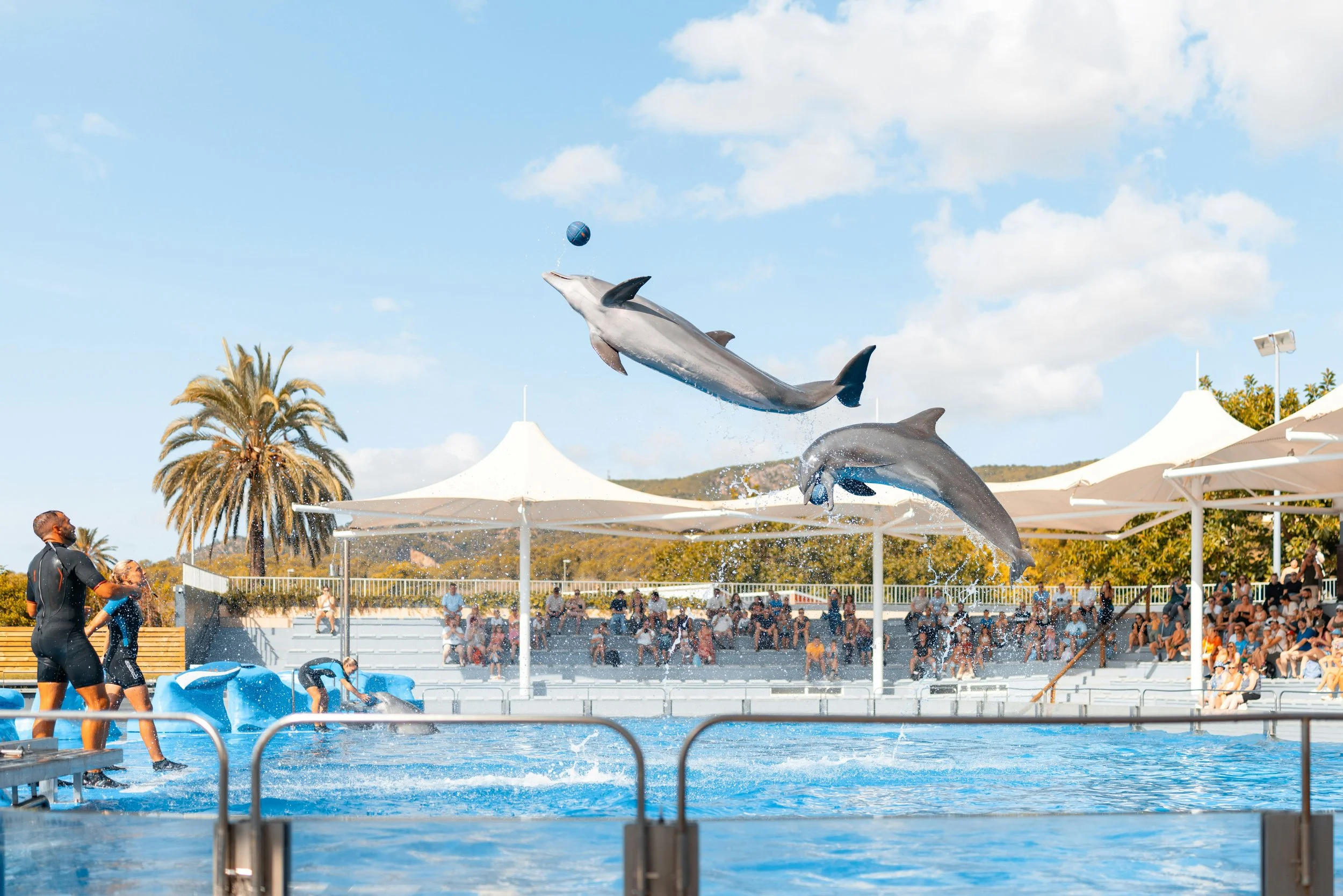
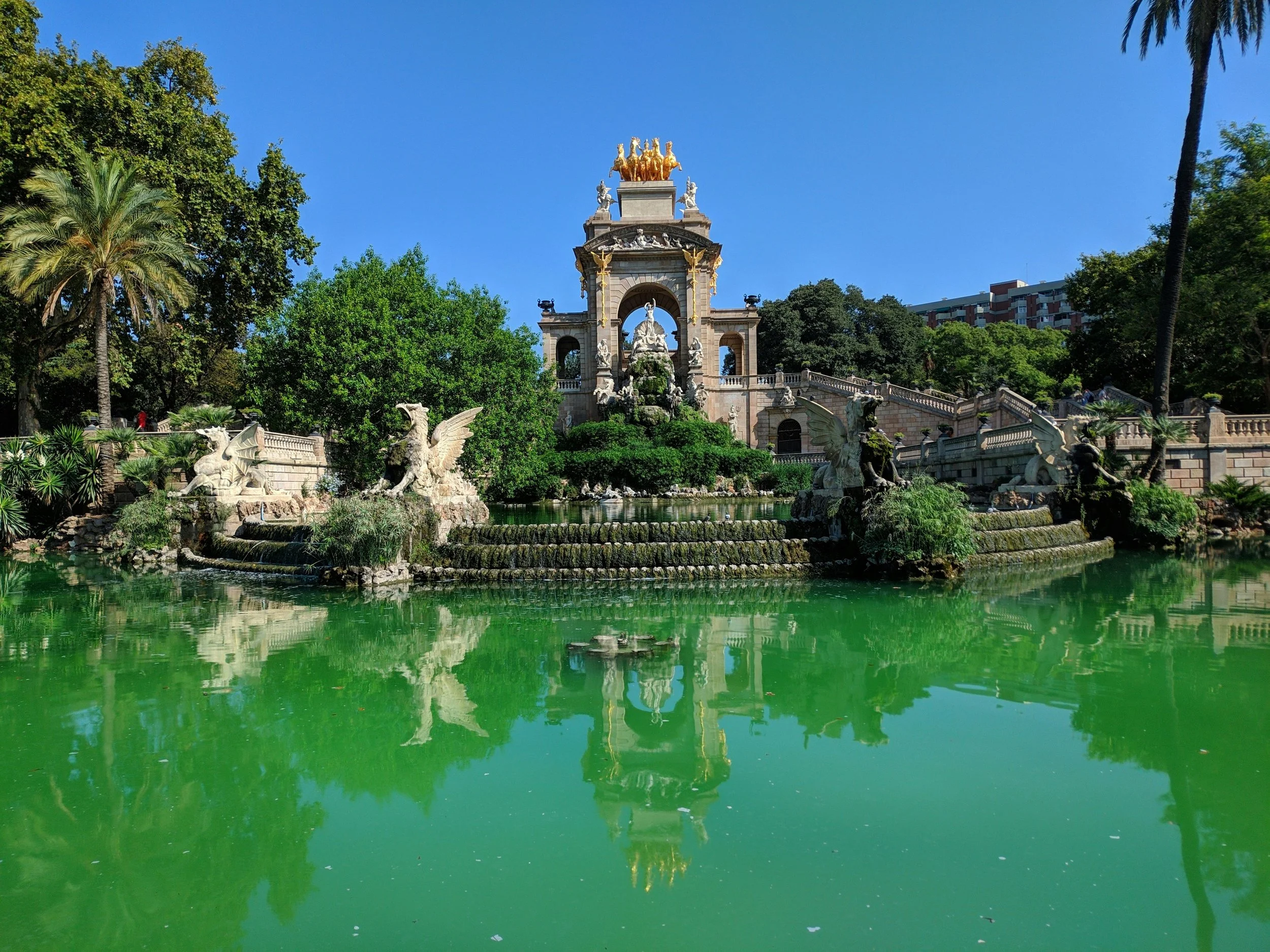
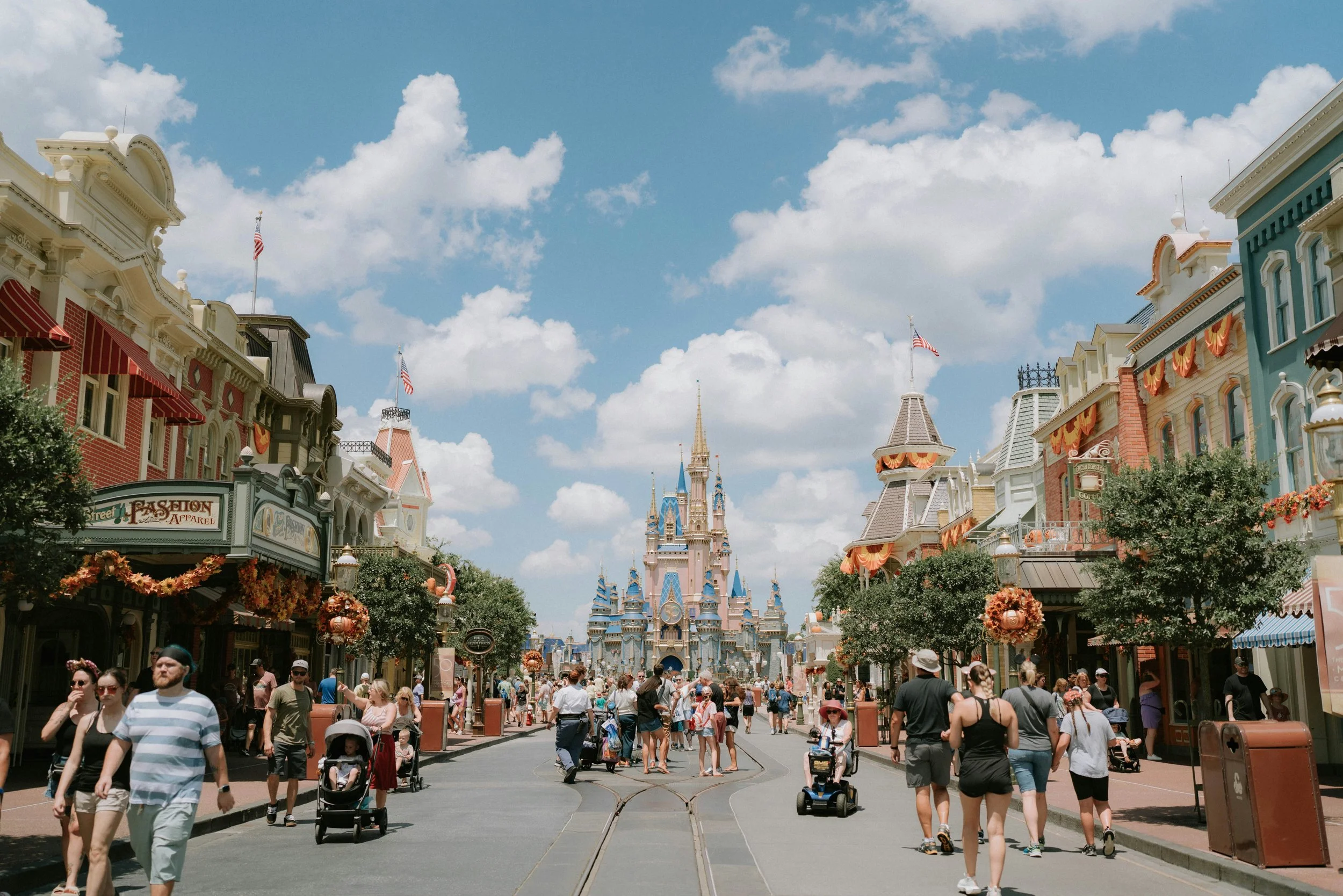
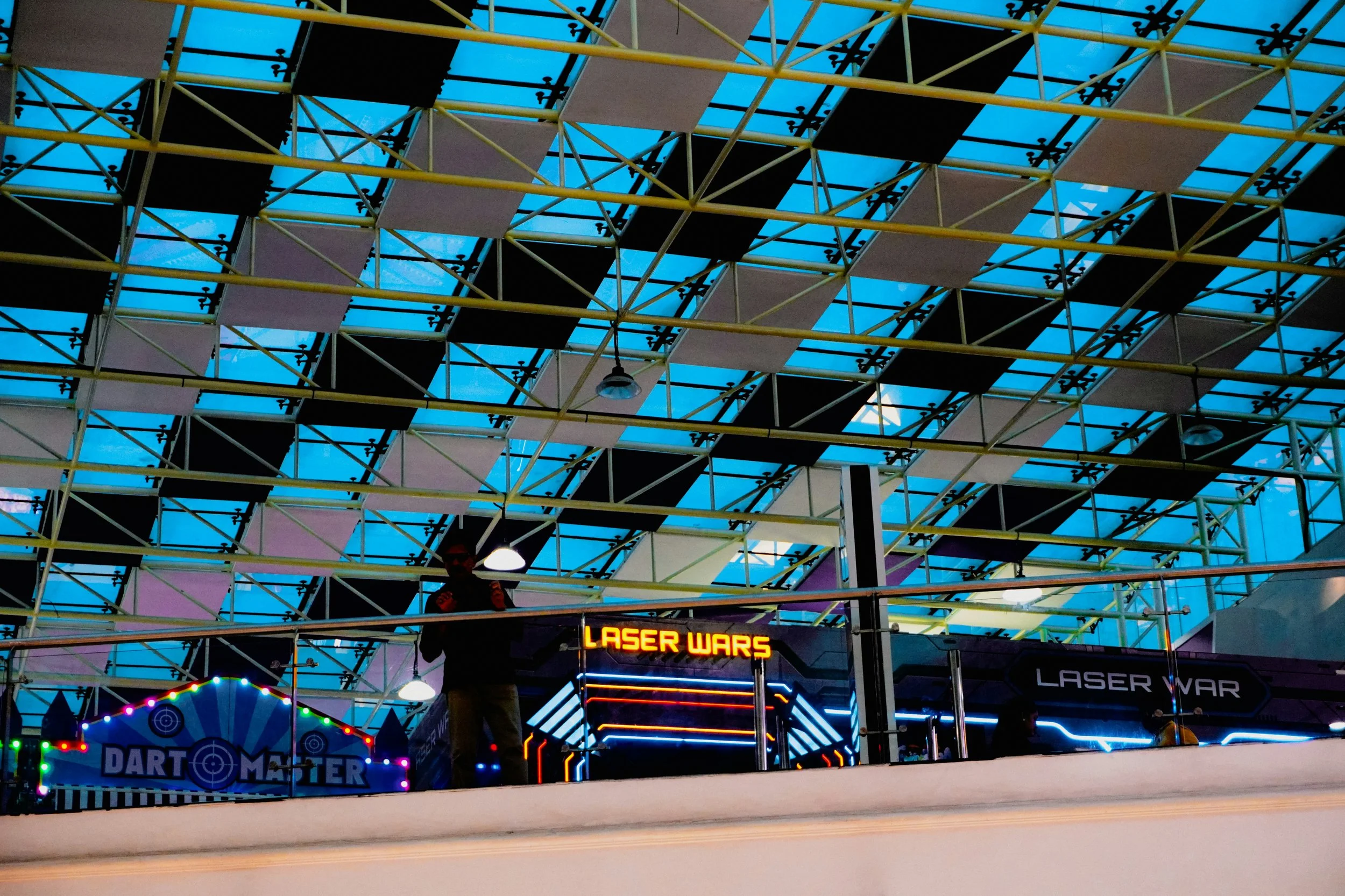
Whether it's a theme park, zoo, aquarium, resort, water park, or family entertainment center, infrastructure plays a critical role in daily operations. Guests expect attractions to be safe, easy to navigate, and enjoyable from the moment they arrive until they leave. Meeting those expectations requires reliable systems operating behind the scenes every day.
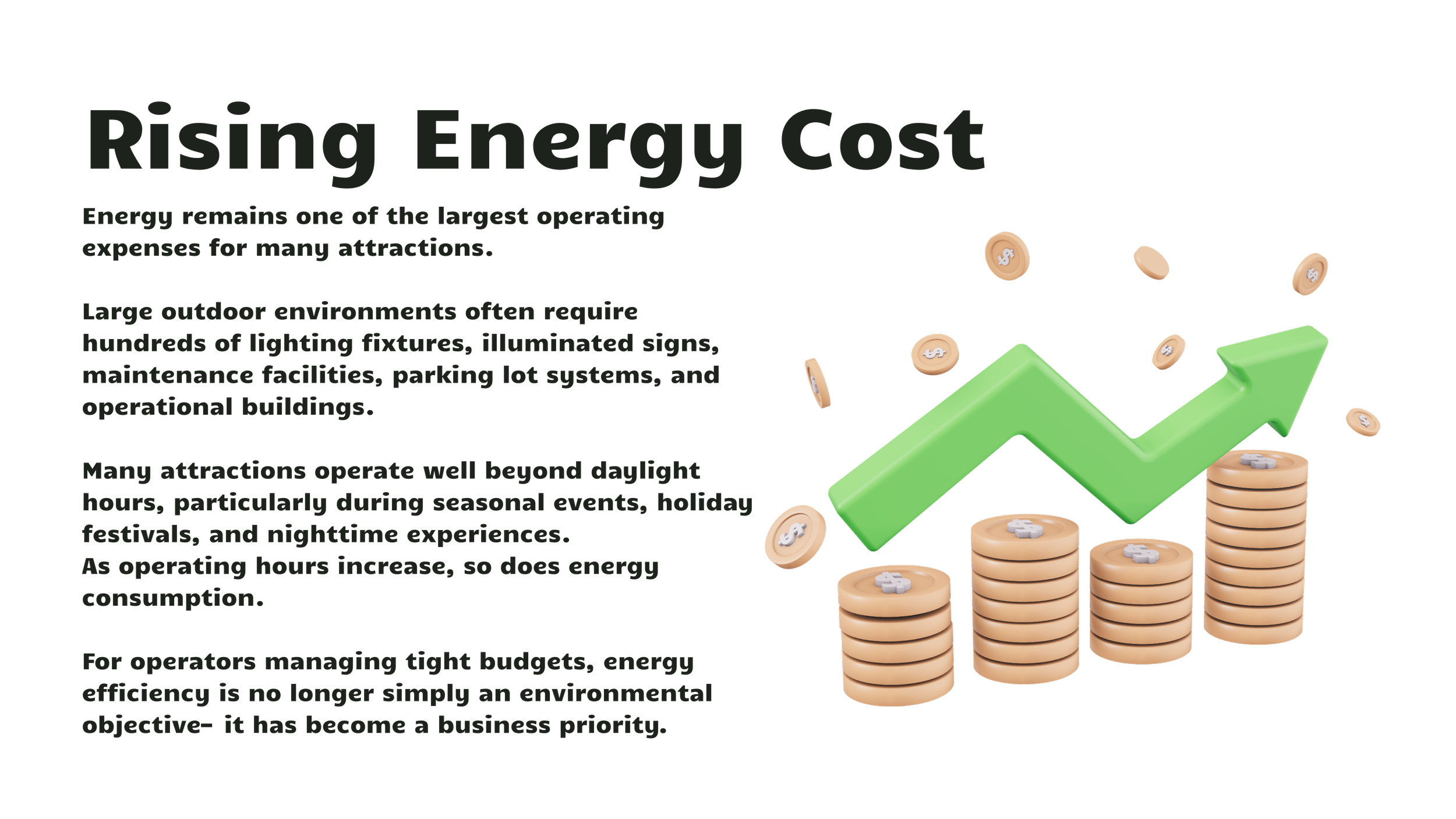
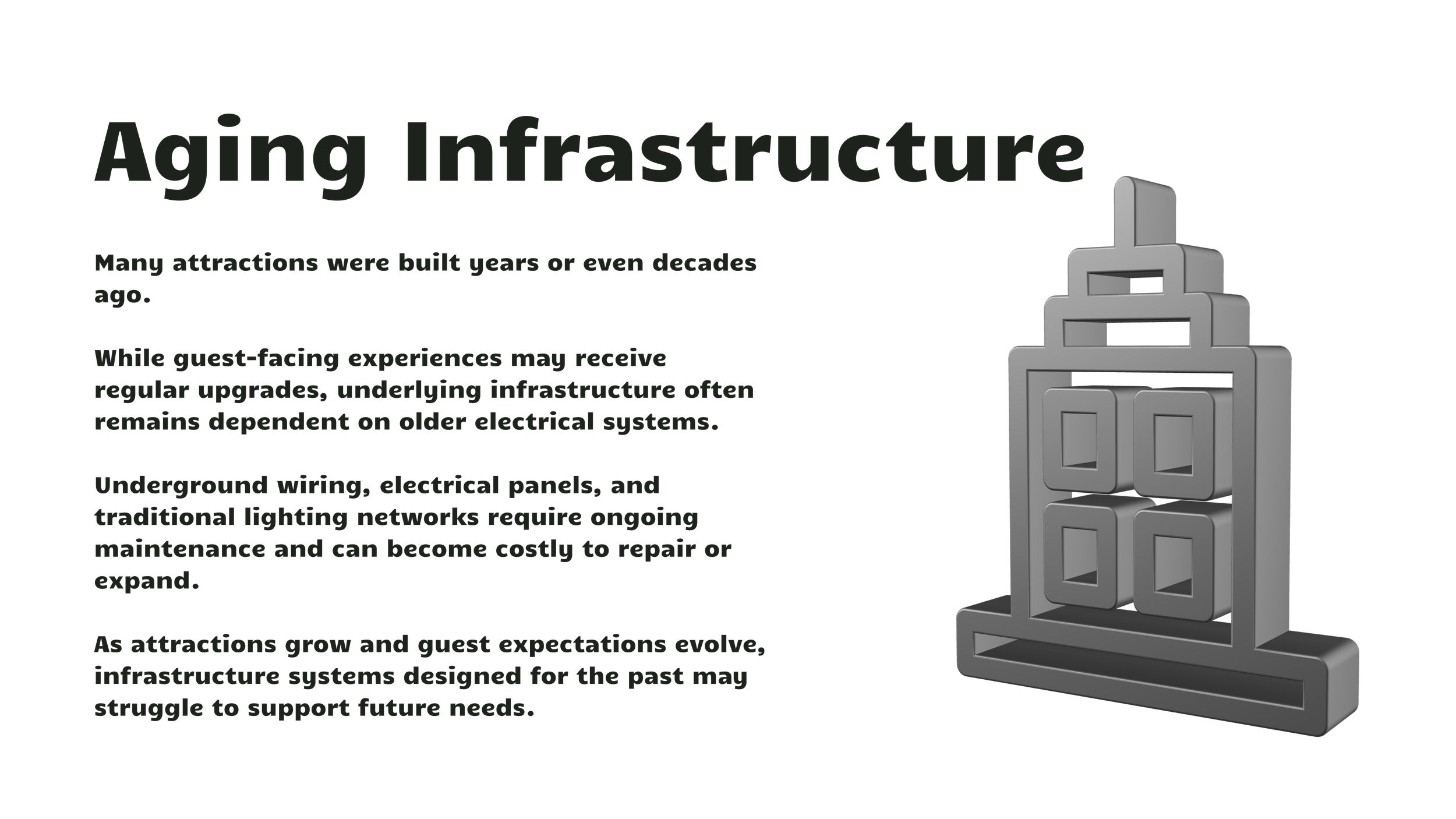
The Shift Toward Sustainable Attractions
The attractions industry is beginning to rethink infrastructure in a fundamental way. Rather than viewing sustainability as a separate initiative, many operators are integrating it directly into facility planning and guest experience design. This shift is occurring across attractions of all sizes.
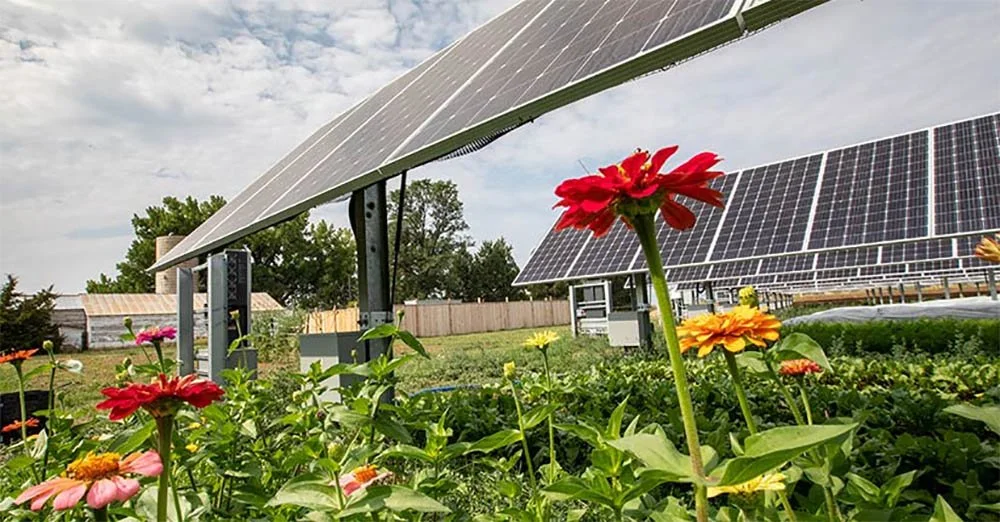
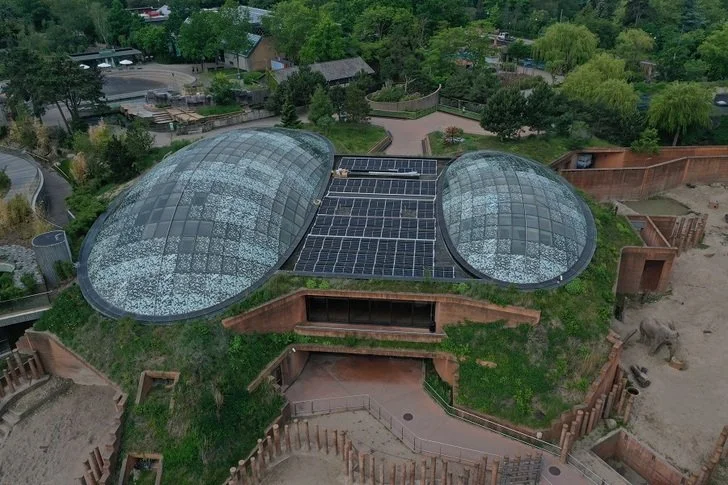
Large destination resorts are exploring renewable energy systems. Municipal recreation areas are installing solar lighting. Zoos and botanical gardens are incorporating sustainability into both operations and educational experiences.
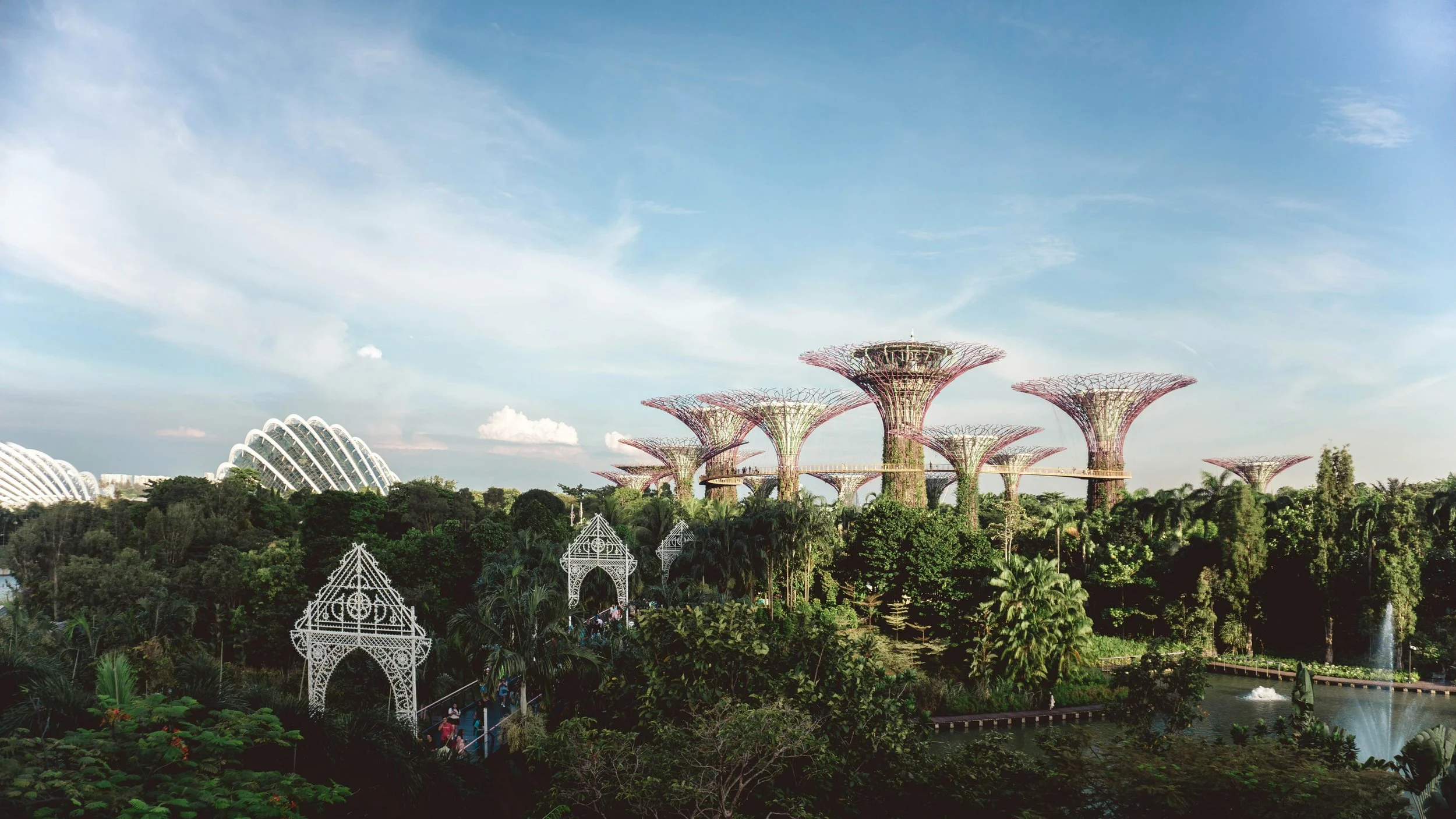
Gardens by the Bay
One of the most well-known examples is Gardens by the Bay in Singapore.
Its iconic Supertrees are more than architectural landmarks. They demonstrate how sustainable technologies can be integrated directly into the guest experience while serving practical environmental functions.
What makes these projects successful is that sustainability is not treated as an add-on. It becomes part of the attraction itself. The goal is no longer simply reducing environmental impact. The goal is creating infrastructure that improves operations, enhances guest experiences, and supports long-term resilience.
Practical Applications of Renewable Energy
The transition toward sustainability does not require a complete redevelopment project. In many cases, attractions begin with targeted improvements that address specific operational challenges.
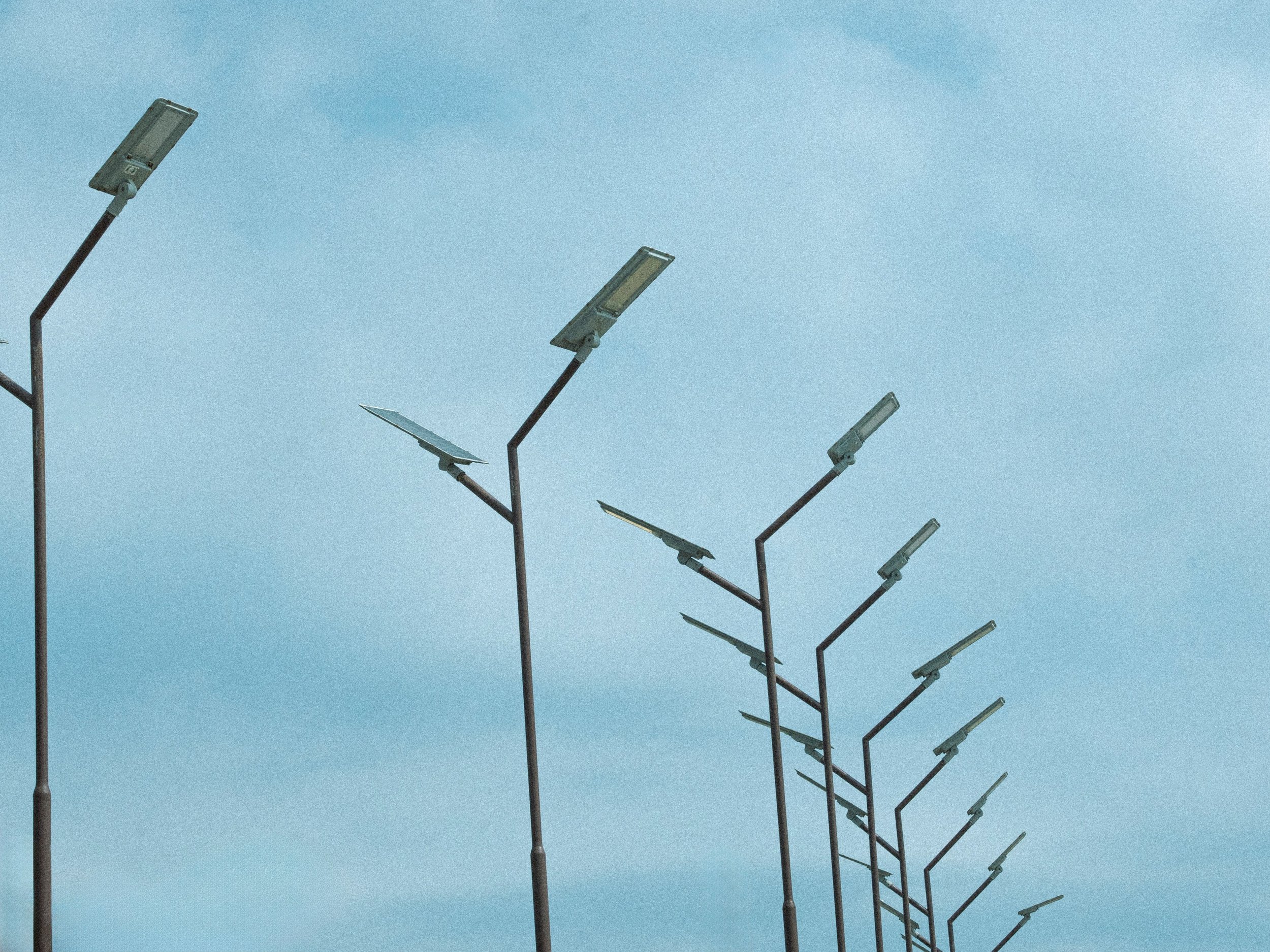
Solar-Powered Lighting
Lighting is often one of the easiest places to begin.
Solar-powered lighting systems collect energy throughout the day and automatically illuminate public spaces after sunset. For attractions, such a system creates several advantages. Improved guest safety and lower operating expense. Reduced dependence on traditional electrical infrastructure and enhanced resilience during outages.
From pathways and parking lots to event spaces and recreational trails, solar lighting can improve visibility while reducing long-term energy expenses.
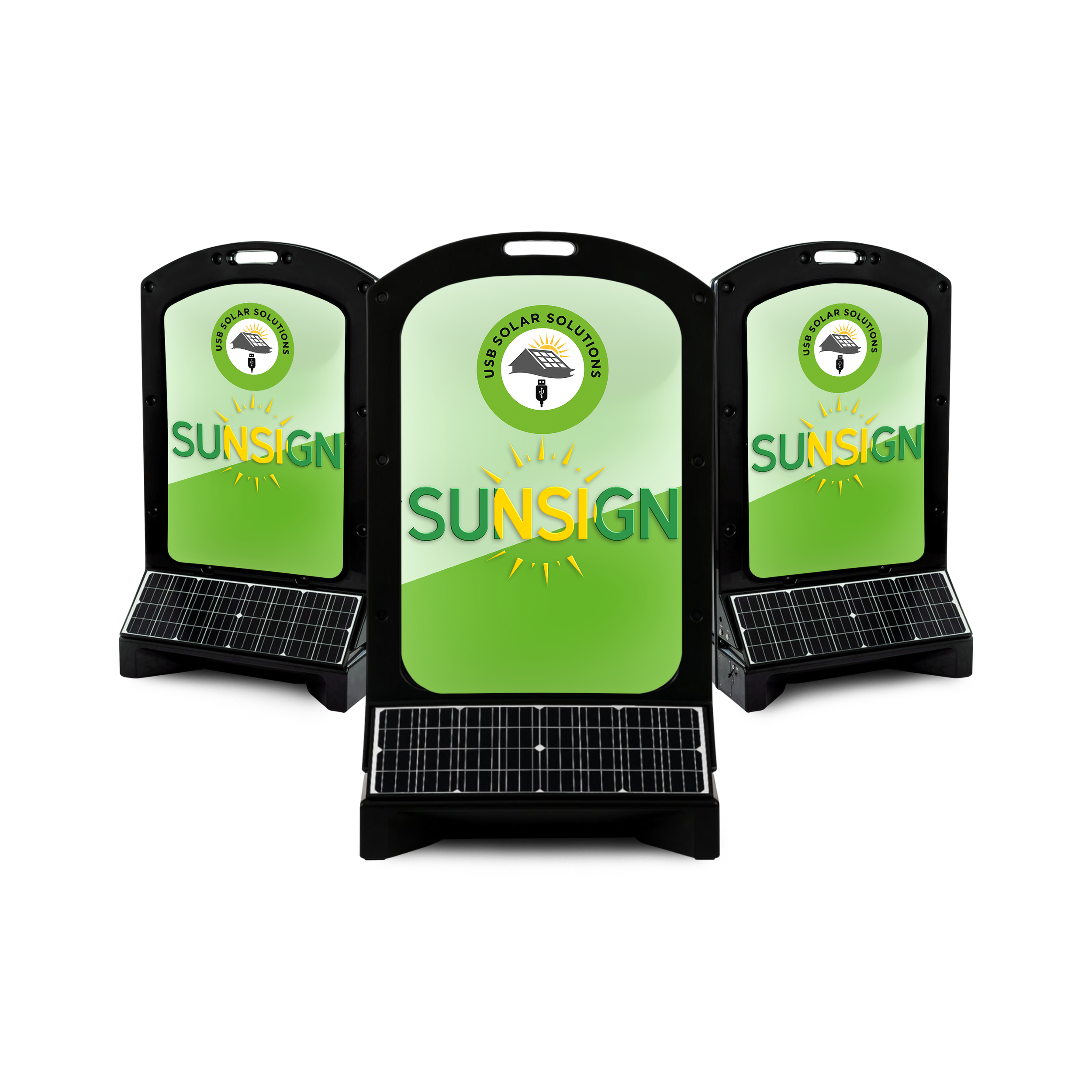
Solar-Powered Signage
Wayfinding is one of the most overlooked aspects of guest experience. Visitors who can easily navigate an attraction are more likely to enjoy their visit and spend more time exploring.
Solar-powered signage allows attractions to deploy illuminated wayfinding systems without extensive trenching or electrical installation. Because these systems operate independently, they can often be placed in locations where traditional infrastructure would be difficult or expensive to install.
In many modern installations, solutions such as SunSign are being explored as part of this shift toward more flexible and energy-efficient wayfinding infrastructure. These types of systems support clearer navigation while reducing dependence on conventional power sources and complex site preparation.
Public Charging Stations
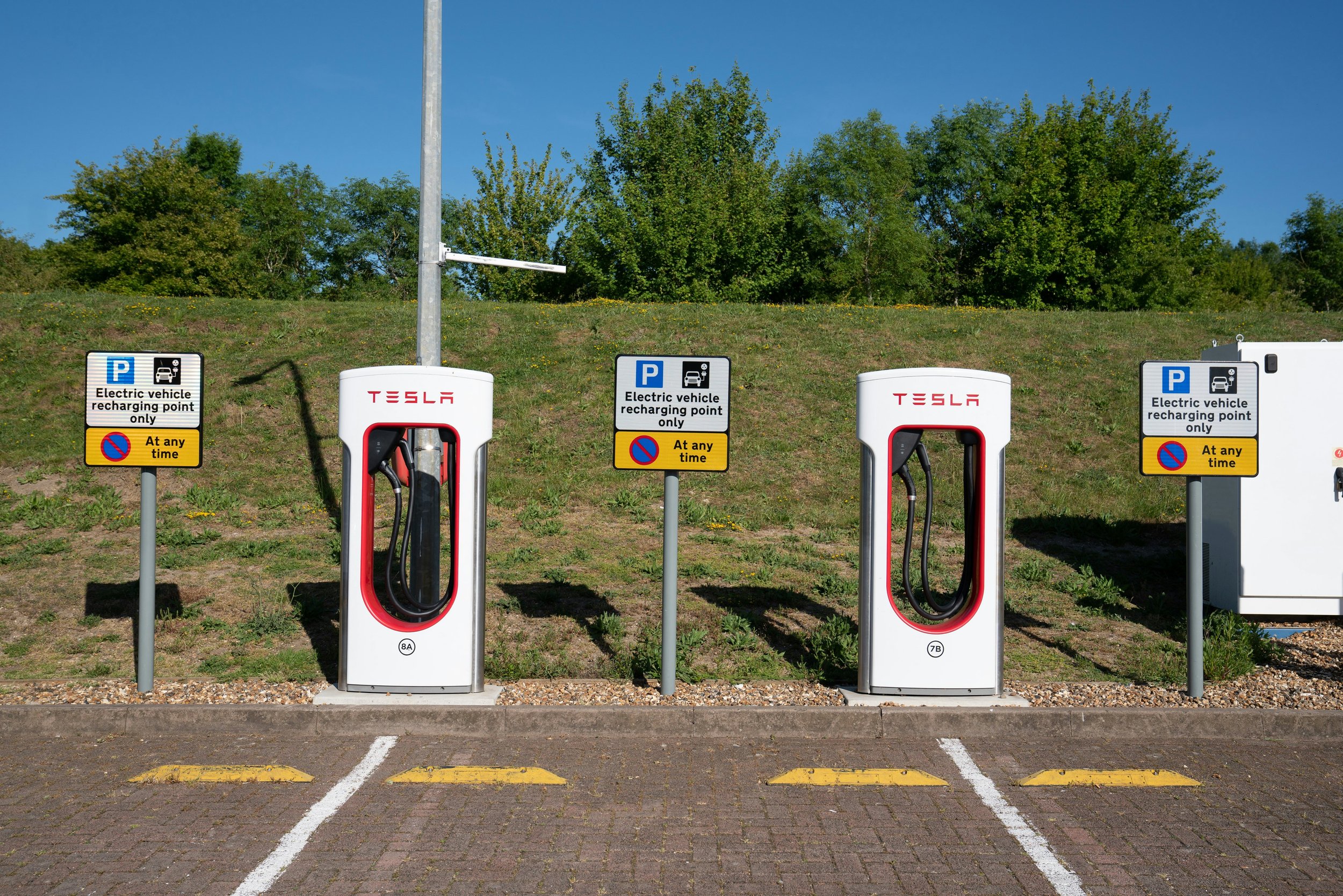
Today's visitors rely heavily on mobile devices. Digital tickets, mobile apps, maps, payment systems, and social media all contribute to the guest journey. Solar-powered charging stations provide a convenient amenity while showcasing sustainability in a highly visible way. They transform infrastructure into something guests actively interact with.
Smart Energy Systems
Technology is also enabling attractions to become more efficient.
Motion sensors, automated controls, and smart lighting systems help ensure energy is used only when needed. Rather than operating continuously, infrastructure responds to actual guest activity. This reduces waste while maintaining comfort and safety.
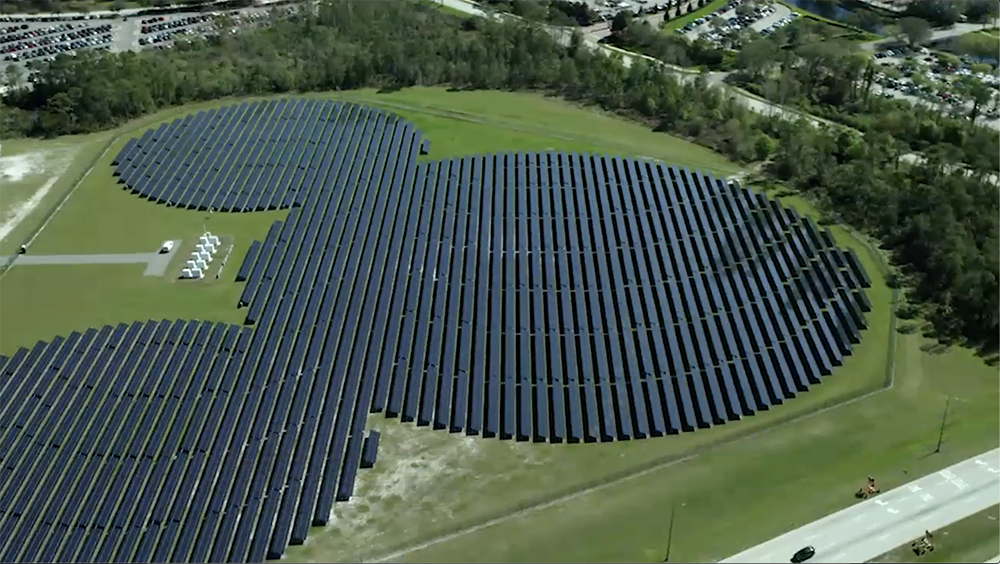
A strong real world example of large scale implementation can be seen at Walt Disney World in Florida, where Disney has integrated extensive renewable energy systems into its operations.
The resort utilizes multiple solar facilities that collectively generate enough clean energy to supply up to 100% of daytime power needs for its parks. This includes a 270 acre solar farm, several large scale installations, and a well known 5 megawatt Mickey Mouse shaped solar array located near EPCOT. These kinds of systems align closely with the broader shift toward smart infrastructure, where energy production and consumption are increasingly managed in real time based on demand and operational conditions.
Sustainable Water Management
Many attractions manage extensive landscaping and outdoor environments.
Solar powered irrigation systems and water conservation technologies can reduce resource consumption while maintaining attractive public spaces. These improvements support sustainability goals without compromising guest experience.
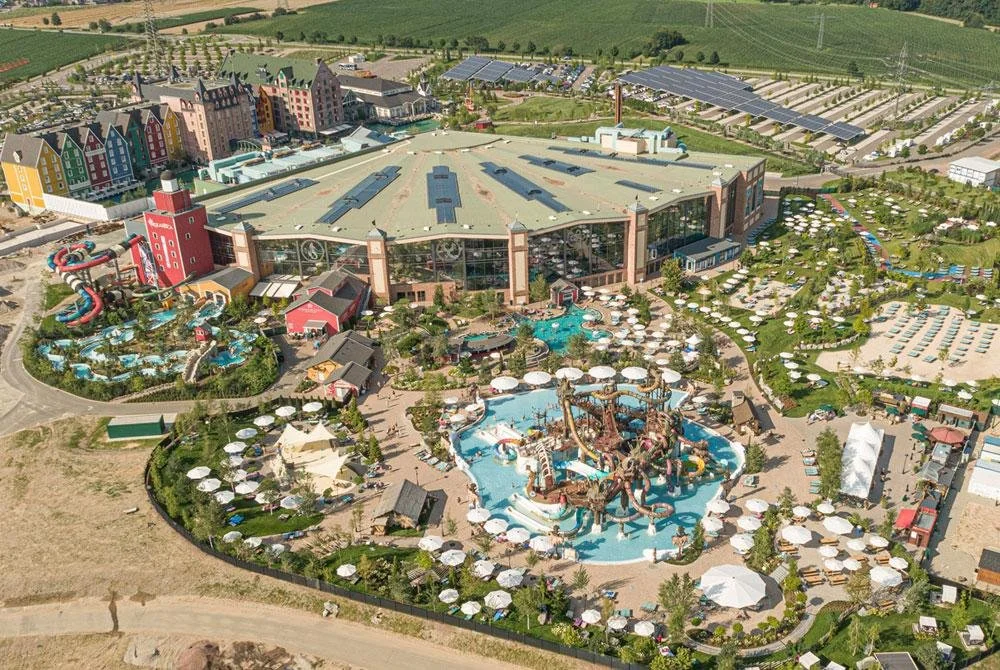
A notable example can be seen at Europa Park and its water world Rulantica in Germany, where sustainability is integrated into large scale guest facilities.
Rulantica in particular incorporates advanced water management systems, including recycling approximately 80 percent of its wastewater. It also uses underground storage systems designed to retain and reuse warmed water, helping reduce reliance on fresh water sources while maintaining consistent water conditions for guests.
This kind of closed loop approach demonstrates how modern attractions can balance high capacity guest experiences with responsible resource management and long term environmental efficiency.
Why Sustainability Matters for Guest Experience
The benefits of sustainable infrastructure extend far beyond environmental responsibility. They influence how guests experience the attraction itself.
Starting Small, Thinking Long-Term
One of the biggest misconceptions about sustainability is that it requires massive investments. In reality, meaningful change often starts with practical improvements. An attraction may begin by upgrading lighting in high-traffic areas. Another may deploy solar-powered signage to improve navigation. Others may introduce charging stations or smart controls in selected locations. Each project creates immediate benefits while contributing to broader sustainability goals. The most successful strategies are rarely built overnight. They evolve over time through consistent, intentional improvements.
The Future of Attractions
The future of attractions will not be defined solely by the next roller coaster, immersive exhibit, or entertainment experience. It will also be shaped by the infrastructure supporting those experiences.
Renewable energy, smart systems, and sustainable design are helping operators create environments that are safer, more efficient, and more resilient. The attractions that embrace these technologies today will be better positioned to meet tomorrow's challenges. Because when infrastructure becomes smarter, guest experiences become stronger. And when sustainability becomes part of the guest experience, it stops being a back-of-house initiative and becomes a visible part of the attraction itself.
What Do You Think?
As attractions continue to evolve, sustainable infrastructure is becoming an important part of the discussion around guest experience, operational efficiency, and long-term resilience.
What sustainable initiatives have you seen make the biggest impact in attractions, parks, zoos, resorts, or entertainment venues? Share your insights in the comments below. We'd love to hear your perspective and continue the conversation.